
Trends in fleet electrification: an Octopus Fleet guide

This blog at a glance:
Moving your business from petrol to plug doesn’t have to mean total operational chaos. To keep your transition smooth and your total cost of ownership low, managing a modern fleet comes down to mastering these core fleet electrification trends:
Smart and phased rollouts: It’s not possible to swap every vehicle overnight. Use real-world route data to transition your highest-ROI vehicles first, scaling at your own pace.
The hybrid charging mix: Ditch the single-source approach. The most efficient fleets blend low-cost overnight home charging with depot infrastructure and reliable public charging networks on the go.
Keep charging apps simple: Keep your team moving and remove range anxiety by giving them one-tap access to a massive fleet charging network like the Electroverse (over 1.4 million chargers).
Unified mixed-fleet tracking: Forward-thinking organisations are centralising their operations—unifying traditional fuel, home energy tracking, and daily travel expenses into a single, cohesive ecosystem.
Let's unpack the trends 👇

Fleet electrification is no longer a futuristic concept; for many, it’s becoming a reality. For many fleets, the switch to electric is looking more and more promising. Whether you’re wanting a cheaper Total Cost of Ownership or to hit net zero goals, it looks like electric will be the future of fleets.
EVs aren’t new: from the first functioning model in 1887, electric vehicles are not a 21st century phenomenon. The question for the fleet industry is how they commercialise EVs, especially in such a well established field of transportation.
Jumping into the second half of the decade, we are excited to see how fleet technology continues to grow and the industry shifts. Many fleets may feel they are stepping into uncharted territory - that’s why our guide is here to help fleet management hit the ground running with fleet electrification in 2026.
What is fleet electrification?
Fleet electrification is the transition of any and all fleet vehicles from petrol and diesel fuel types, to EV. But it’s more than a change in vehicle - it’s a new way of working for many in the fleet industry.
With increasing deadlines, and carbon reduction targets, the topic is on everyone’s mind - but what does this mean for fleets?
SMMT reports that fleets take up a pretty chunky portion of the UK roads with over 1.2 million new registrations between fleet and businesses in 2025. January 2026 stayed on trend with fleet vehicle registrations making up 62% of the market share. Across the market, 20.57% of all January registrations were electric vehicles - showing consistency with the 2025 stats. Slowly but surely we are seeing EVs extending into the fleet world.
Want to know more about where to start with fleet electrification? Check out our Ultimate Guide to Fleet Electrification with Octopus Fleet.
What’s been holding back fleet electrification? Trust and knowledge in the switch.
Where the fleet industry has relied on ICE vehicles for so long, the businesses and processes are well established. However, with the introduction of this not-so-new tech, into fleet operations, the tried and tested methods don’t work in the same way. Not a fan of uncertainty and change, fleets are hesitant to make the switch - for now!
A 2025 study by Europcar showed a growing trust in EVs for fleets, with only 16.83% agreeing they were limited by lack of knowledge - down from 20.6% from the previous year. As more people become aware and open to the EV future, we see more opportunities for change across the market. As EV residual values stabilise, confidence grows in the EV fleet and with changing attitudes we see more evidence for the success of fleet electrification.
Electrification can feel like a monster task when all you know is ICE. It's tried and tested because it's worked for years. However, the world is changing and electric is becoming the new norm. The aim for fleets now, is to jump on the ways they can future-proof their fleet, and ease the transition into the electric future.

Here’s our top 5 ‘trends’ for fleet managers in 2026 looking to jump into fleet electrification.
Knowing your fleet
Getting Charging Infrastructure right
Transparent pricing
Supporting every stage of fleet electrification
Prioritising your fleet drivers
1 - Knowing your fleet
It can seem daunting stepping into the new world of electric fleets. It sounds obvious, but understanding how your fleet works is key for a smooth transition to electric. Long term EV success relies on planning and research into all areas of your fleet.
One of the biggest blockers in fleet electrification is confusion on where to start. We’re here to help. Following the data specific to your fleet will help with keeping the transition intentional to the fleet size and needs.
Some things to be aware of:
Total cost of ownership for your fleet’s vehicles
Charging opportunities
Driver spending on the go
For many, a blocker to make the switch is the uncertainty around the markets and the limitations on cost predictions. As more fleets make the jump, confidence grows and more fleets are ready to join suit. A study by EO showed that 43% fleet managers are anticipating a reduced Total Cost of Ownership with their EV fleets compared to traditional fuel types.
Finding a partner who can help you understand the total cost benefits of making the switch will help guide your steps forwards to fleet electrification.
Wherever you are on your fleet electrification journey, Octopus Fleet wants to be your partner. We are here for fleets, big and small, fully electric or a bit of both.

2 - Charging Infrastructure
If you’re looking to start your electrification journey, your EV charging infrastructure is a key step for future proofing your fleet. It’s about more than reducing your carbon footprint, and keeping fleet costs down. With the challenges of transition, keeping it simple for your drivers - and yourselves, is important for a smooth process.
The choices!
Public Charging
Let us be the myth busters: range anxiety is common but misplaced in 2026. It’s never been so convenient to charge with 2025 seeing an almost 14% increase in charge points* across the UK. EV fleet charging can be super simple, with the right platform.
Want to find out more about EV charging? The Electroverse monthly stats report* has all the charging data you could want - and more!
Did you know the Electroverse network is the biggest in Europe! With over 1.4 million charge points, your drivers never have to wonder where their next charge is coming from. Available with Octopus Fleet, you'll get one card, and one app - it’s never been easier to fuel your EV fleet.
Want to find out even more ways to save on public charging? Find out about Salary Sacrifice for EV charging, and CPO subscriptions in our Octopus Fleet blogs.
Home Charging Reimbursement
Upgrade your driver’s charging experience, and keep costs low with home charging reimbursement.
The way it works with Octopus Fleet:
Your driver chargers at home
They track their charges as either business or personal
The cost of the energy to charge gets reimbursed back into their home
You get a simplified bill of charging costs - consolidated on the fleet platform.
This doesn’t remove the need for public charging - it’s an excellent way for drivers to stay topped up as they work through the day. Simply setting them up with a full charge to start the day, while avoiding lengthy invoices - what’s not to love?
Need more convincing? Our blog gives you the Top 5 reasons to offer home reimbursement to your fleet

3 - Transparent pricing
With all the moving parts included in daily operations, the last thing you want is hidden costs to pile up as a nasty surprise at the end of the month. When looking for a fleet electrification partner, look for transparent pricing across the board - so you know exactly what you’re paying for.
With the implementation of fleet electrification, we’ve already chatted about the importance of Total Cost of Ownership, which is a struggle to figure out if you don’t have clear costs and subscription fees. Having clear visibility over all areas of your fleet’s spend will be essential for future proofing your fleet’s electrification journey.
Transparent pricing is a priority for us at Octopus Fleet. As your partner in fleet electrification, we want you to get the most effective process for your fleet. If you’re interested in finding out more, check out our Pricing Model guide.
4 - Supporting every stage of fleet electrification
The process of electrification doesn’t happen overnight. Managing mixed fleets is a reality for many. It comes with a delicate balance between making sure ICE drivers don’t get left behind, while supporting the new EV changes.
However, managing fueling and payments solutions across mixed fleets could be a headache - if you aren’t sure what to look for. Powerful and intuitive payments solutions are the way forward in the fleet transition. The sweet spot is finding a payment method that works across your entire fleet and tracks all spend in one place.
Fleet electrification will be a gradual process, even with the policy pressure to meet net-zero targets - but that doesn’t mean your fleet should suffer. The priority of the electric transition is future-proofing your fleet, to grow as the technology does. Whether it be through automated EV fleet payments or an intuitive platform, mixed fleets can be supported with the right partner.
Want to see how Octopus Fleet can help your fleet in their electric transition? Check out our product suite to find the plan that suits you and your fleet.
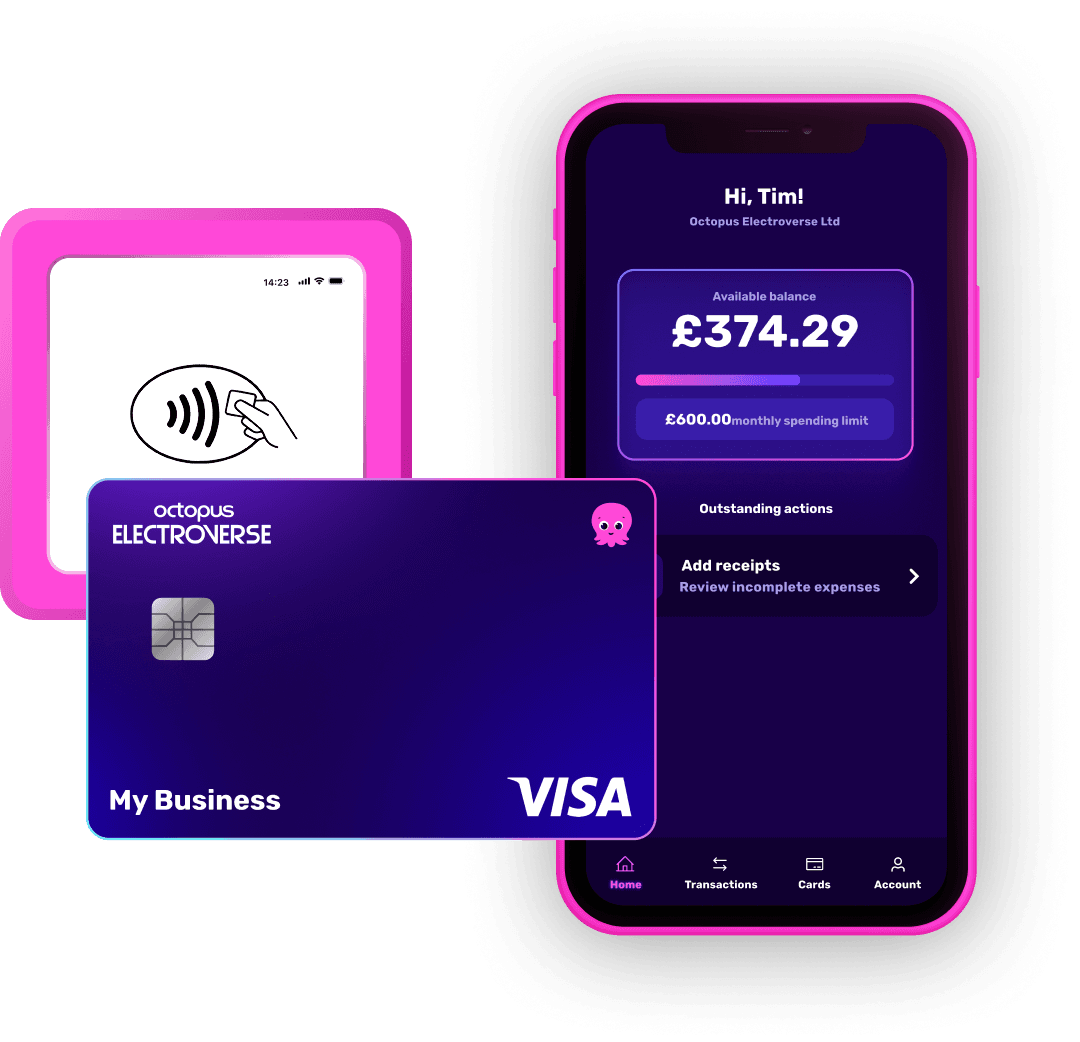
At Octopus Fleet, we have built a system that grows with your fleet as it adapts to the new world of electrification. From bigger businesses who are ready to jump all in to the EV fleet, to those who are just dipping a toe - the Octopus Fleet platform is built to grow as your fleet does. With our Visa backed payments card options, you can support your fleet all in one place.
5 - Prioritising your fleet drivers
Fleet management has never been simple logistics, the same way a fleet is made up of more than the vehicles.
Priorities are changing in 2026 with a focus on the fleet driver experience. With new guidance from the RHA on driver health and wellbeing, fleet management is being push to offer proactive support rather than aiming to hit minimum support requirements. Hand in hand with the switch to EV, there’s more attention on driver confidence and support.
You’ve given your drivers and EV - now what? It’s all good and well setting them up with a sleek new vehicle, but many aren’t used to the new tech.
But how can fleet managers help drivers?
Communication: open communication and feedback with your fleet as they get used to a new way of working
Guidance: use all the research available, such as webinars and panels with experts in the market.
A partner in fleet electrification: you don’t have to go it alone!
Check out our Fleet News webinar on Future Proofing your fleet to hear how Octopus Fleet is helping provide solutions in the market.
What should fleets be prioritising in 2026?
Looking at fleet electrification can feel like information overload, so what should you prioritise this year?
Trusting the data: understanding what your fleet needs
Charging infrastructure: build the plan that works for your fleet.
Transparent pricing: avoid pesky fees and look for partners that give you what you pay for.
Embracing the mixed fleet: intuitive systems to work across all types of fleet
Driver support: from charging to payments.

Frequently asked questions
What's the biggest challenges fleet electrification is facing in 2026?
Lack of confidence in the switch: whether it be infrastructure, or tech, or simply how to manage an electric fleet. Knowledge is power, it's just knowing where to look!
Building trust in the charging infrastructure, and creating a plan that works for your fleet now, and in the future, will set you up for success in fleet electrification.
What's the best advice for starting the switch to an EV fleet?
It can seem overwhelming stepping into the world of fleet electrification. The best advice for fleet managers is to figure out what your fleet needs to succeed and find your partner in electrification to help take you along the journey. Check out what Octopus Fleet has to offer in our product toolkit.
How do I manage a "mixed fleet" of electric and diesel vehicles?
Fleet electrification won't happen overnight. It's an ongoing process, working towards a more sustainable future in transport. There will be a transition time where both ICE and EV exist under the same fleet - so the best way to manage it is keep them under the same platform. The future of fleet management requires a dynamic way to see all parts of your fleet. Octopus Fleet offers a one-stop shop to cover all your mixed fleet needs - from Visa payments cards, to home charging reimbursement.
Why should my fleet switch from manual expenses to an automated system?
Manual expense processes are prone to human error, fraud, and long administrative tasks. Automated EV fleet payment systems offer some key benefits:
Operational efficiency: Eliminates the "receipt chase," saving administrative teams hours every month.
Cost transparency: Provides a single, clear dashboard of all charging costs (at home and public networks), making it easier to calculate Total Cost of Ownership (TCO).
Consolidated invoicing: Automated payment platforms (such as the Octopus Fleet) allow fleet managers to consolidate home and public charging costs into a single monthly invoice. Instead of drivers using personal credit cards at each public charge point, they use a fleet-issued RFID card or app.