
How to electrify a fleet: A step-by-step guide for UK businesses (2026)

Across the UK, businesses are accelerating the transition to electric vehicles. Rising fuel costs, corporate sustainability targets and government policy are all driving the shift toward fleet electrification.
But switching a fleet to electric vehicles involves more than simply replacing diesel or petrol vehicles. Businesses need to think about charging infrastructure, driver behaviour, reimbursement systems and long-term fleet strategy.
The good news is that many fleets are already well suited to electrification. Vehicles that operate predictable routes, return to base regularly or drive moderate daily mileage can often transition to EVs smoothly.
In this guide, we explain the key steps UK businesses should follow to electrify a fleet successfully, from early planning to large-scale rollout.

Step 1: Assess your current fleet
The first step in any fleet electrification strategy is understanding how your vehicles are currently used.
Many businesses are surprised to find that their fleet usage already fits comfortably within the capabilities of modern electric vehicles.
Start by gathering data about your fleet operations, including:
Average daily mileage
Typical routes and driving patterns
Where vehicles are parked overnight
Vehicle downtime and idle time
Current fuel costs
Vehicle replacement schedules
For example, many commercial vehicles travel less than 150 miles per day, which is well within the range of most electric vans and cars currently available.
Understanding these patterns helps identify where EVs will work best and where additional planning may be required.
Practical tip: Vehicles that return to a depot or driver’s home each night are often the easiest to electrify, because they have reliable opportunities for overnight charging.
Step 2: Identify the best vehicles to electrify first
Most businesses electrify their fleets gradually rather than replacing every vehicle at once.
A phased approach reduces operational risk and allows organisations to learn how electric vehicles perform in real-world conditions before expanding adoption.
Vehicles that are commonly electrified first include:
Company cars
Urban delivery vehicles
Field engineer vans
Vehicles with predictable daily mileage
These vehicles typically have:
Consistent routes
Moderate driving distances
Reliable access to overnight charging
Many businesses begin with a pilot programme involving a small number of vehicles, often between five and twenty, to test charging behaviour and operational changes.
Insights from this pilot stage can then inform the wider electrification strategy.
Step 3: Plan your fleet charging strategy
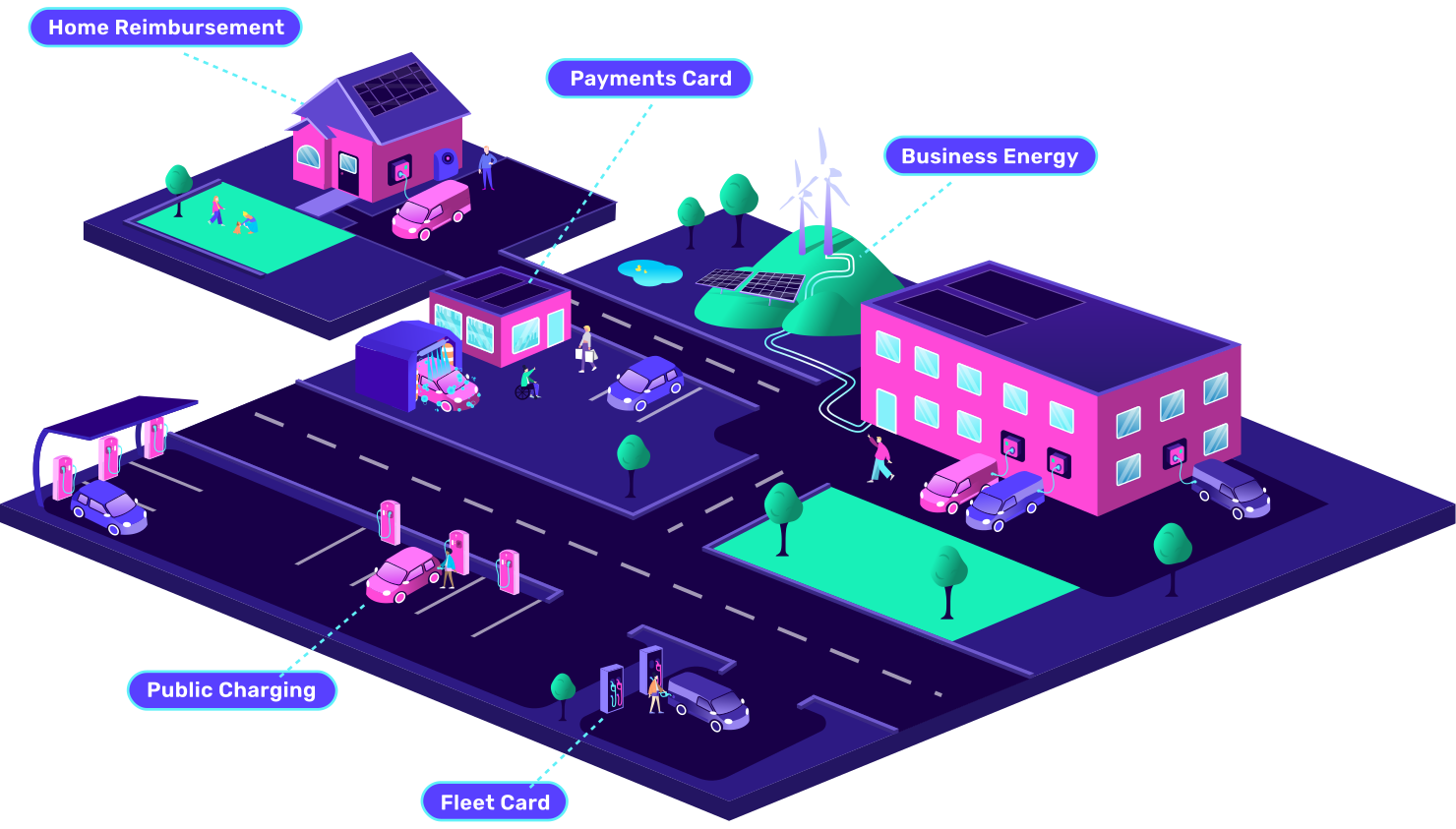
Charging is often the biggest operational change when transitioning to an electric fleet. Most businesses use a combination of different charging options depending on how their vehicles operate.
The three most common charging solutions are depot charging, home charging and public charging.
Depot charging
Depot charging is ideal for fleets that return to a central location at the end of each shift.
Vehicles can be charged overnight when electricity demand is lower, ensuring they are ready for the next day’s work.
Depot charging is commonly used by:
Delivery fleets
Logistics companies
Utility vehicles
Local service providers
Public charging
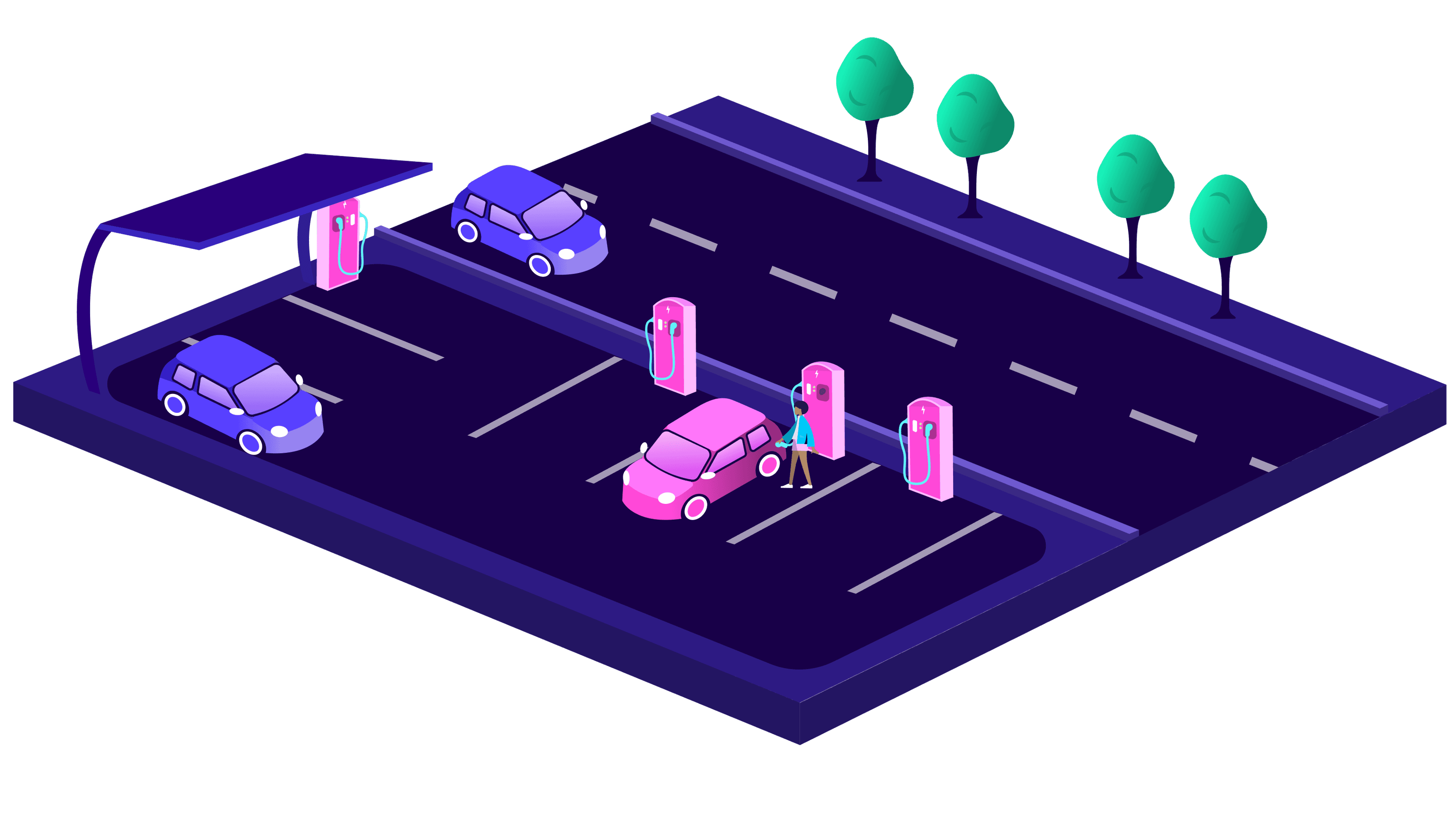
Public charging networks are useful for long journeys or when vehicles need additional range during the day.
The UK’s charging network continues to grow rapidly, making it easier for fleets to operate electric vehicles across longer distances.
Home charging
Home charging is particularly useful for company cars or field-based employees.
Drivers charge vehicles overnight using a home charge point, and businesses reimburse electricity costs through fleet management platforms or reimbursement schemes.

Charging strategy insight: Most successful EV fleets rely on a combination of charging options rather than a single solution. For example, drivers may primarily charge at home or at a depot but occasionally use public charging when travelling longer distances.
Step 4: Understand the real cost of EV fleets
A common concern when electrifying a fleet is vehicle cost. Electric vehicles can sometimes have higher upfront purchase prices than petrol or diesel alternatives.
However, when businesses consider the total cost of ownership, EVs are often more economical over the lifetime of the vehicle.
Key cost factors include:
Upfront costs
Vehicle purchase or lease
Charging infrastructure installation
Grid upgrades where necessary
Operational costs
Electricity compared with petrol or diesel
Reduced servicing requirements
Lower maintenance costs due to fewer moving parts
Electric vehicles typically require less maintenance, as they do not have complex components like gearboxes, oil systems or exhaust systems.
In addition, UK company car tax rules and incentives often make electric vehicles financially attractive for businesses.
Step 5: Set up reimbursement and payment systems
When fleets switch to electric vehicles, businesses also need new ways to manage charging payments.
Drivers may charge vehicles at home, at public charging stations or at depot locations. Without the right systems in place, tracking these costs can become complicated.
Fleet operators typically need to manage:
Cost tracking across vehicles and drivers
Reporting for finance teams
Modern fleet platforms simplify this process by providing centralised charging management, allowing businesses to monitor energy use, payments and driver activity across the fleet.
Step 6: Prepare drivers for EV adoption
Driver engagement is a key part of a successful fleet electrification programme.
While electric vehicles are simple to drive, drivers may initially have questions about charging, range or daily vehicle use.
Providing clear guidance and training helps build confidence quickly.
Common training topics include:
How and where to charge vehicles
Planning longer journeys
Efficient driving techniques
Using charging apps and access cards
Once drivers gain experience, many report higher satisfaction levels with electric vehicles, thanks to smoother driving and quieter operation.
Step 7: Roll out your electrification strategy
After a successful pilot phase, businesses can begin expanding EV adoption across the fleet.
A typical rollout process might look like this:
Launch a pilot programme with selected vehicles
Analyse charging behaviour and operational data
Expand electrification as vehicles reach replacement age
Install additional charging infrastructure where needed
For most organisations, electrification happens gradually over several years rather than through an immediate fleet replacement.
Aligning EV adoption with existing vehicle replacement cycles can help minimise costs and operational disruption.
The benefits businesses see after electrifying fleets
Once fleets transition to electric vehicles, businesses often see several long-term benefits.
These can include:
Lower running costs compared with fuel vehicles
Reduced maintenance requirements
Lower carbon emissions
Improved sustainability credentials
Positive driver feedback
In many cases, electrification also helps organisations prepare for future regulations and environmental targets.
Ready to electrify your fleet?
How long does it take to electrify a fleet?
Most businesses transition their fleets over three to five years, often replacing vehicles with electric alternatives as existing leases or ownership cycles end.
What vehicles are easiest to electrify first?
Company cars, urban delivery vehicles and field engineer vans are usually the easiest vehicles to electrify due to predictable daily mileage and reliable charging access.
Do fleets need depot charging?
Not always. Some fleets rely primarily on home charging and public charging, particularly when drivers take vehicles home overnight.
Are electric fleets cheaper to run?
In many cases yes. Lower energy costs, reduced maintenance and favourable tax treatment often mean electric vehicles have a lower total cost of ownership than petrol or diesel vehicles.
Is public charging reliable enough for fleets?
Yes and it’s only getting better! Public charging infrastructure in the UK continues to expand rapidly, making it increasingly viable for fleets that need occasional top-ups during longer journeys.